
Hybrid vehicles have gained global popularity over decades. While new car sales remain robust, the used hybrid vehicle stock is expanding rapidly across international borders. High mileage second hand HEVs flow from mature economies into emerging markets, bringing rising demand for battery repair work among local repair communities. Many auto parts newcomers apply conventional spare part sourcing logic to hybrid batteries, overlooking that traction batteries function as core vehicle systems rather than ordinary consumable components. This mismatch creates substantial operational risks. Understanding real world pain points and establishing sensible sourcing criteria is essential for cross border auto parts traders and service providers.
Spare parts for combustion engine vehicles are mostly standardized wear items with open specifications and broad interchangeability. Hybrid replacement batteries, however, resist simple standardization. Even within one vehicle family, batteries for different model years and trim levels can vary in physical dimension, electrical parameters and ECU communication logic. Modules that look visually alike may differ greatly in cell chemistry, internal resistance consistency and charge discharge response. Some buyers place orders merely based on appearance and nameplate parameters. After goods arrive at destination ports, technicians discover that although modules can power the vehicle, full compatibility with original equipment electronic control units cannot be achieved. Consequences include recurring system self check warnings, power limitation and persistently high fuel consumption. These failures seldom surface immediately. Symptoms gradually emerge after hundreds of driving kilometres, greatly complicating after sales communication for cross border transactions.
Regional market differences cannot be overlooked in hybrid battery trade. Markets vary widely in climate conditions, consumer mindsets and existing repair infrastructure. In mature markets, end users tend to prioritize long term reliability and are willing to pay premium prices for well engineered components; repair shops favour complete, well documented repair workflows. In many emerging economies, car owners focus heavily on keeping total repair expenditure low, and modular component level restoration is widely accepted. Climatic diversity adds another layer of complexity. Sustained high ambient temperatures in tropical zones accelerate battery ageing. High altitude locations place special demands on discharge stability. Cold climate territories require solid low temperature discharge performance for winter usability. A replacement battery performing adequately in one geographic area may deliver poor real world results once deployed under drastically different surroundings. There exists no universal battery solution suitable for every global market. Beyond natural operating environments, local regulatory frameworks deserve serious attention. Multiple countries enforce clear access requirements for aftermarket automotive spare parts. Even hardware with outstanding technical performance cannot circulate legally without complying with local safety standards. This regulatory requirement is frequently overlooked by cross border purchasers during sourcing procedures.
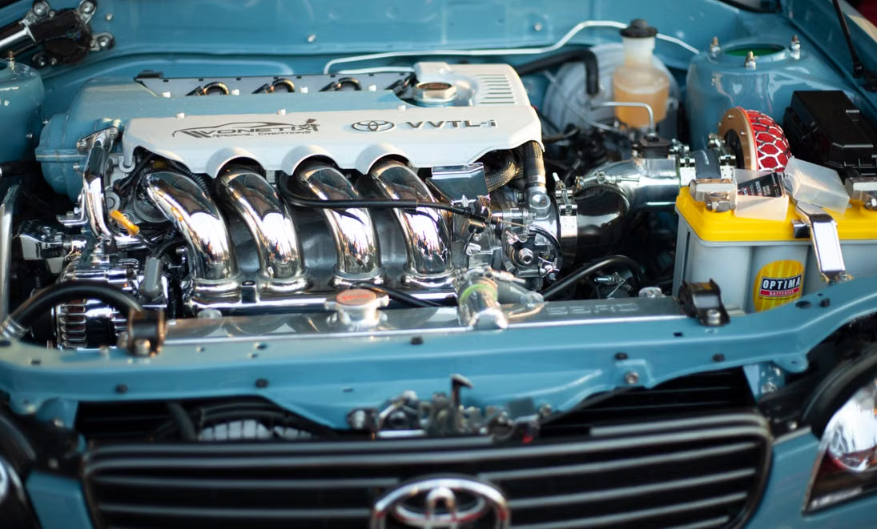
Hidden safety risks deserve serious attention. Quality levels among aftermarket hybrid battery offerings vary significantly. Some products only undergo basic bench top charge discharge testing and skip comprehensive automotive environmental validation. On road service subjects battery packs to continuous vibration, sharp seasonal temperature swings and occasional mechanical impacts. Units without full scope reliability validation may show impressive static bench test metrics yet develop loose connections or local overheating after prolonged real world driving. Safety related incidents carry far reaching brand reputation and liability consequences compared with ordinary auto parts, a factor all industry participants must keep in mind. Thermal runaway propagation inside high voltage hybrid battery assemblies can unfold extremely rapidly once abnormal conditions occur. Failures happening while vehicles are in motion create direct threats to personal safety of drivers and passengers. This explains why complete multi dimension safety validation should never be skipped in aftermarket battery development.
Evaluating replacement batteries should never rely purely on printed cycle life figures. Beyond basic capacity and voltage, critical practical indicators include internal resistance consistency across modules, voltage difference control during repeated cycling and performance retention across wide temperature ranges. Certain products satisfy specifications when brand new, yet suffer severe performance divergence between modules after hundreds of cycles, leading to premature whole pack failure. During procurement, buyers should pay attention to test conditions: whether performance data originates from ideal constant temperature laboratory benches or from tests simulating real world vibration and temperature fluctuation. Bench lab results serve only as reference and cannot fully replicate actual on vehicle operating circumstances. Many suppliers tend to present test reports collected under the most favourable laboratory conditions. Purchasers need to develop the ability to distinguish testing scenarios instead of being misled by over optimised lab only datasets.
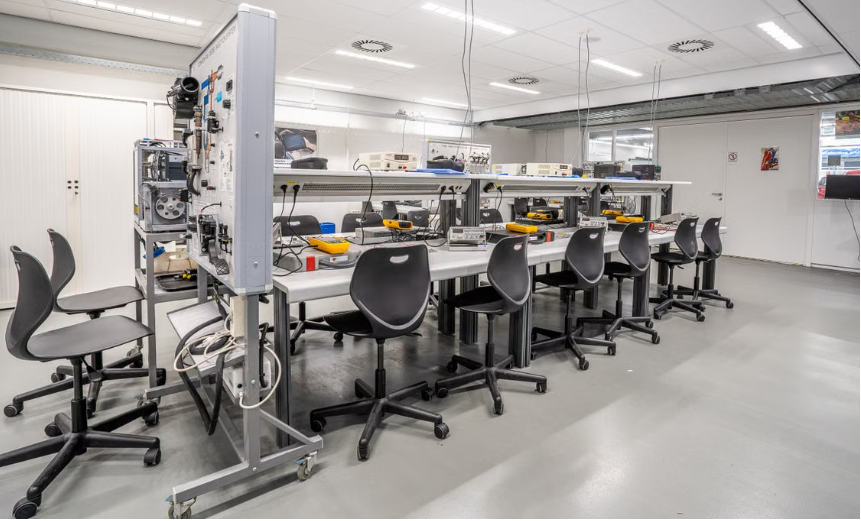
Beyond physical hardware, supporting technical documentation carries great weight for cross border hybrid parts commerce. Highly technical HEV battery components require more than simple packing lists. Repair technicians need clear disassembly assembly guidelines, storage protocols, arrival activation workflows and basic fault troubleshooting references. Long sea voyage transportation and extended warehousing alter battery state of charge. Without proper activation procedures, technicians may misjudge correctly manufactured goods as defective right after installation. Readily available technical guidance prevents a large share of non quality related commercial conflicts. It is also worth noting that documentation should adapt to multi language market requirements. Single language technical materials cannot deliver practical guidance in multilingual regional markets.
Well defined warranty frameworks underpin sustainable business relationships. Hybrid battery failures have multiple root causes: genuine material and workmanship defects sit alongside damage caused by incorrect fitting, improper storage, pre existing vehicle faults and user driving habits. Vague warranty boundaries inevitably generate commercial friction. Reasonable industry practice clearly distinguishes factory defects from externally induced damage, defines inspection judgement methodology and sets pre conditions for valid warranty claims to minimise later stage disagreements. Purchasers should proactively confirm warranty assessment procedures, clarifying adopted testing standards and responsible parties for fault identification once commercial disputes arise.
Globally, the used hybrid vehicle market keeps expanding, opening sustained market opportunities for replacement batteries. Nevertheless, promising prospects come with notable pitfalls. Hybrid battery trade goes far beyond simple buy and sell transactions; it combines hardware, technical knowledge and supporting services. Pure price chasing strategies, ignoring regional differences, end user technical readiness and real vehicle validation, trap operators in price competition and heavy after sales burdens. Respect for local market realities, awareness of varied repair shop capabilities and emphasis on real world on vehicle performance enable steady long term development within this specialised auto parts segment.